Sustainable Fashion Choices for a Greener Closet
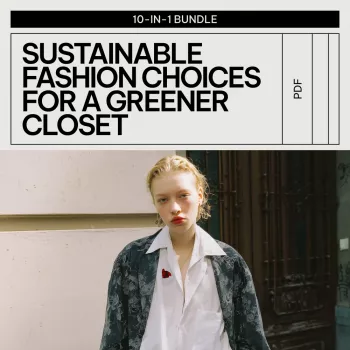
A greener closet does not have to begin with a shopping trip. It can start with a closer look at what you already own, how you care for it, and what you genuinely need. Our Sustainable Fashion Choices for a Greener Closet 10-in-1 digital download bundle offers a starting point for making those decisions with greater intention. For more guidance, see (PDF) Sustainable Fashion: New Approaches.
Small habits can add up over time: wearing a favorite piece more often, fixing a loose button, or taking a moment to consider whether a new purchase will fit your routine. You do not need a perfect wardrobe to get started. For further reading, see Wardrobe Management Apps and Their Unintended ….
Start With the Closet You Already Have
Set aside some time to look through your clothes without judging every item as a success or failure. Notice which pieces you reach for regularly and what makes them useful. Perhaps they fit comfortably, work for several occasions, or are easy to care for.
Next, look at the items you rarely wear. Some may need a simple alteration or repair; others might be difficult to pair with the rest of your wardrobe. Try combining a neglected shirt with your favorite pants, or layering a dress over a top you already own. A few new combinations can make familiar clothes feel useful again.
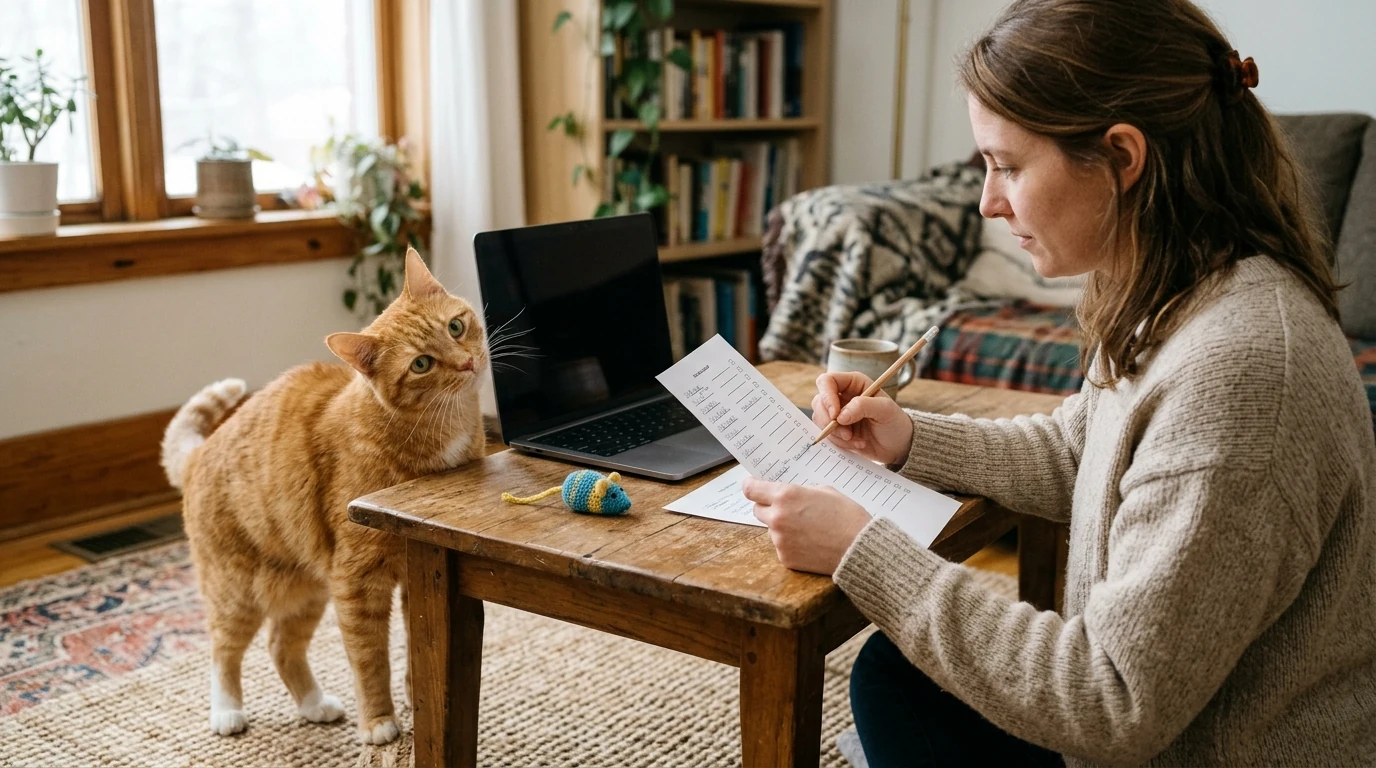
As you take stock, make a short list of genuine gaps. A missing everyday layer may be a more useful purchase than another version of something you already have. Keep the list handy so you can distinguish a real need from an appealing display.
Care matters, too. Follow garment labels, treat stains promptly, and mend small problems before they become larger ones. The U.S. Environmental Protection Agency’s guidance on reducing and reusing explains why extending the use of products is a useful part of reducing waste.
There is no need to replace everything at once. A more considered wardrobe can develop gradually as your needs change and your existing clothes reach the end of their useful lives.
Make More Thoughtful Fashion Choices
When you do need something, start with fit and function. Can you move comfortably in it? Does it suit the occasions and weather you have in mind? An item that works with several pieces you already own is often easier to wear regularly than one that requires an entirely new outfit.
Look at construction and care requirements as well. Check seams and closures, consider whether the material suits your intended use, and read the care label before buying. A garment that requires care you cannot realistically provide may spend more time in the closet than on your body.
Buying new is only one option. Secondhand shopping may help you find a useful piece without purchasing a newly made garment, while borrowing can make sense for an item you expect to use only once or twice. Repairing something you own may be the simplest solution of all.
| Need | Option to consider | Question to ask |
|---|---|---|
| A fresh outfit | Restyle existing pieces | Can these clothes work in a new combination? |
| A damaged favorite | Repair it | Would a simple fix make it wearable again? |
| An occasional-use item | Borrow or shop secondhand | How often will it be needed? |
| An everyday essential | Choose for fit and durability | Will it work with what is already owned? |
Be cautious about treating any single sustainability claim as the whole story. Materials, production, use, and what happens after a garment is no longer wanted all matter. The United Nations Environment Programme’s textile roadmap explores the broader challenges across the textile value chain.
Explore the 10-in-1 Digital Download Bundle
Our Sustainable Fashion Choices for a Greener Closet: 10-in-1 Digital Download Bundle brings together a 10-in-1 digital product centered on more considered fashion choices. It is a starting point if you want to give your wardrobe habits more attention alongside the practical steps above.
The listed price is $395.99 USD. Visit the product page for current contents and details before purchasing.
If your wardrobe planning also includes outdoor footwear, our Hiking Boot Fitting Guide is another resource to explore. Choosing footwear that fits your needs is part of making purchases you can put to use.
Turn Good Intentions Into Everyday Habits
Choose one manageable action for this week. You might plan three outfits from clothes you already own, sew a button back onto a favorite shirt, or write down the wardrobe gap you actually want to fill. A small action is easier to repeat than a complete closet overhaul.
Before your next purchase, compare the item with your list. Consider how often you expect to wear it, whether it works with your existing clothes, and whether borrowing, repairing, or buying secondhand could meet the same need. Once an item is in your closet, follow its care label to help keep it wearable.
Our team invites you to explore the bundle and take the next step at your own pace. The goal is a closet that supports your lifestyle, not a set of rules that makes getting dressed harder.
FAQ
What is included in the sustainable fashion digital download bundle?
It is a 10-in-1 digital download bundle focused on more considered fashion choices. Visit the product page for current contents and details.
Do I need to replace my wardrobe to make greener fashion choices?
No. Start by wearing, caring for, repairing, and restyling clothes you already own, then shop intentionally when a genuine need arises.
How can I decide whether a clothing purchase is worthwhile?
Consider fit, expected frequency of wear, versatility, durability, and whether an existing or secondhand option could meet your need.










Leave a comment